How Veneers Adapt to Your Unique Bite Pattern for Optimal Comfort
Understanding the Relationship Between Veneers and Your Natural Bite
The human bite is as unique as a fingerprint, with each individual possessing a distinct pattern of tooth alignment and jaw movement. When considering cosmetic dental enhancements, particularly veneers Liverpool residents choose must integrate seamlessly with this natural architecture. The success of veneer treatment extends far beyond aesthetic appeal; it requires meticulous attention to how these delicate porcelain shells interact with the existing bite mechanics to ensure lasting comfort and functionality.
Modern dentistry has evolved considerably in its approach to veneer placement, recognising that even the slightest deviation in bite alignment can lead to discomfort, premature wear, or even treatment failure. The adaptation process involves a sophisticated understanding of occlusion—the way upper and lower teeth meet—and how veneers can be crafted to complement rather than disrupt this delicate balance. This careful consideration transforms veneers from mere cosmetic additions into functional components of a healthy dental system.
The Initial Assessment: Mapping Your Bite Pattern
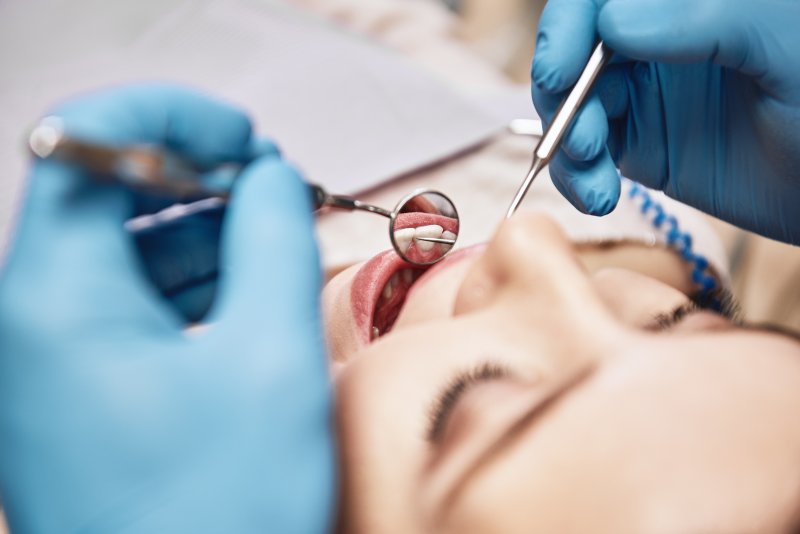
Before any veneer work commences, dental professionals conduct a comprehensive evaluation of the patient’s bite pattern. This assessment involves multiple diagnostic techniques, including bite registration, jaw movement analysis, and digital scanning technology. The dentist examines how teeth come together during various functions such as chewing, speaking, and resting, identifying any existing issues that might affect veneer placement or longevity.
Advanced imaging systems create detailed three-dimensional models of the teeth and jaw structure, allowing practitioners to visualise precisely how veneers will fit within the existing dental landscape. This technological approach ensures that proper occlusion matters for veneer longevity, preventing future complications. The assessment phase also reveals whether any preparatory work, such as orthodontic treatment or bite adjustment, might be necessary before veneer placement can proceed successfully.
Customisation: Crafting Veneers to Match Your Occlusion
Thickness and Contour Considerations
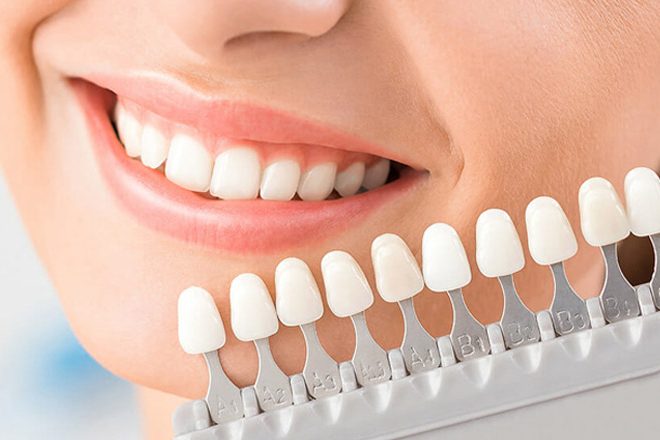
The thickness of a veneer plays a crucial role in maintaining proper bite alignment. Dental technicians carefully calculate the precise measurements required to ensure that veneers neither add excessive bulk nor create gaps in the bite pattern. Each veneer is custom-milled or layered to specifications that account for the patient’s unique occlusal relationships, ensuring that when teeth come together, the contact points remain natural and comfortable.
Material Selection and Bite Forces
The choice of porcelain material significantly influences how veneers respond to bite forces. High-quality ceramic materials possess varying degrees of hardness and flexibility, allowing dental professionals to select options that best match the patient’s bite strength and patterns. Patients with heavier bite forces may require more robust materials, whilst those with gentler occlusion can benefit from thinner, more translucent options that still provide adequate durability without compromising aesthetics.
The Fitting Process: Fine-Tuning for Perfect Harmony
Once veneers are fabricated, the fitting appointment becomes critical for achieving optimal comfort. Dentists use articulating paper and digital bite analysis to identify high spots or areas where veneers may interfere with natural jaw movement. These initial fittings often reveal minor adjustments needed to ensure the veneers integrate smoothly with the existing bite pattern, and skilled practitioners make precise modifications before permanent bonding occurs.
The temporary placement phase allows patients to test their new veneers in real-world conditions, providing valuable feedback about comfort during eating, speaking, and sleeping. This trial period proves invaluable for identifying any subtle issues that might not be apparent during clinical examination. For those wondering whether veneers can address crooked teeth, this fitting process demonstrates how carefully planned veneer placement can improve both appearance and function simultaneously.
Post-Placement Adaptation and Follow-Up Care
Following permanent veneer placement, a brief adjustment period typically occurs as the mouth acclimatises to the new dental surfaces. Most patients adapt within days, though some may require follow-up appointments for minor refinements. Understanding how veneers can help with bite alignment emphasises the importance of this monitoring phase, ensuring long-term success and comfort.
Regular dental check-ups become essential for maintaining the integrity of veneers Liverpool patients have invested in, allowing practitioners to monitor wear patterns and make timely adjustments if needed. This ongoing care ensures that veneers continue to function harmoniously within the bite pattern, preserving both comfort and aesthetics for years to come.
Achieving Lasting Comfort Through Precision Dentistry
The adaptation of veneers to individual bite patterns represents a sophisticated blend of art and science, requiring expertise, precision, and patient collaboration. When executed properly, veneers become indistinguishable from natural teeth in both appearance and function, providing comfortable, long-lasting results that enhance quality of life whilst maintaining the delicate balance of oral mechanics.