
Dental
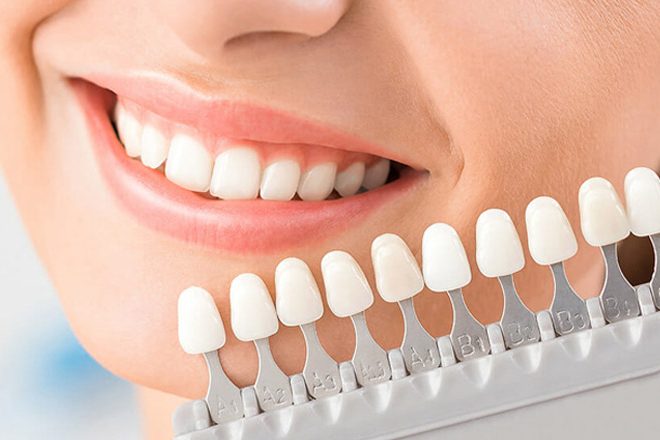
How Veneers Can Influence Jaw Alignment and Reduce Tension Headaches
Understanding the Connection Between Dental Structure and Headaches
The relationship between dental health and chronic headaches remains a fascinating area of study that continues to reveal surprising connections. Many individuals who suffer from persistent tension headaches may not realise that the root cause could lie within their bite alignment and jaw positioning. When teeth are misaligned, worn down, or uneven in height, the entire temporomandibular joint system can become compromised, leading to muscle tension that radiates throughout the head and neck region.
Dental veneers Balwyn have traditionally been viewed as a cosmetic solution for improving the appearance of teeth. However, their therapeutic potential extends far beyond aesthetics. By carefully adjusting the dimensions and contours of teeth, dental professionals can influence how the upper and lower jaws meet, potentially alleviating the muscular strain that contributes to chronic headaches. This dual-purpose approach makes veneers an intriguing option for those seeking both functional and aesthetic improvements.
The Mechanics of Jaw Alignment and Muscular Tension
The temporomandibular joint connects the jawbone to the skull and facilitates essential functions such as chewing, speaking, and swallowing. When this joint experiences stress due to misalignment, the surrounding muscles must work considerably harder to compensate. This constant overexertion can trigger a cascade of symptoms including headaches, facial pain, and neck stiffness. The precise positioning of teeth plays a crucial role in determining how forces are distributed across the jaw during everyday activities.
How Bite Discrepancies Develop
Several factors can contribute to the development of bite problems over time. Natural wear and tear gradually reduces tooth height, whilst habits such as grinding or clenching accelerate this deterioration. Previous dental work, tooth loss, or developmental irregularities can also create imbalances in how teeth come together. These discrepancies force the jaw to adopt unnatural positions, placing undue strain on the temporomandibular joint and associated musculature. For those considering composite veneers as a treatment for TMJ disorders, understanding these underlying mechanics becomes particularly relevant.
The Role of Veneers in Jaw Repositioning
When strategically designed and placed, veneers Balwyn specialists utilise can alter the vertical dimension of occlusion—essentially the space between the upper and lower jaws when teeth are in contact. By building up worn surfaces or adjusting tooth contours, veneers can guide the jaw into a more harmonious position. This repositioning reduces the workload on jaw muscles and may significantly diminish the frequency and intensity of tension headaches that stem from dental misalignment.
Customisation and Precision in Veneer Design
The process of creating veneers that address both aesthetic and functional concerns requires meticulous planning and precise execution. Dental professionals conduct thorough assessments of bite patterns, jaw movements, and existing tooth structure before designing veneers. Advanced diagnostic tools help identify the optimal positioning that will reduce muscular strain whilst maintaining natural function. Each veneer is crafted to specific measurements, ensuring that the new tooth surfaces integrate seamlessly with the patient’s unique oral anatomy and bite dynamics.
Clinical Considerations and Treatment Planning
Not every case of tension headaches warrants veneer treatment, and a comprehensive evaluation is essential to determine suitability. Dental professionals typically assess multiple factors including the severity of misalignment, the condition of existing teeth, and the presence of other contributing factors such as stress or postural issues. For individuals exploring options, resources on dental veneers for TMJ treatment can provide valuable insights into the diagnostic process and treatment expectations.
The treatment journey often involves a multidisciplinary approach, with dental professionals working alongside other healthcare providers to address all aspects of jaw dysfunction. Preliminary treatments may include bite analysis, muscle relaxation techniques, or temporary adjustments to test the proposed changes before committing to permanent veneers. This methodical approach ensures that veneers Balwyn practitioners recommend will deliver the intended therapeutic benefits alongside cosmetic improvements.
Alternative and Complementary Approaches
Whilst veneers can play a significant role in addressing jaw alignment issues, they represent one option within a broader spectrum of treatments. Some individuals may benefit from clear aligners that help with TMJ pain, particularly when tooth movement rather than surface modification is required. Other complementary therapies include physiotherapy, stress management techniques, and lifestyle modifications that reduce jaw clenching behaviours. The most appropriate treatment pathway depends on individual circumstances and the specific nature of the underlying problem.
Long-Term Benefits and Considerations
Patients who undergo veneer treatment for jaw alignment issues often report improvements that extend beyond headache reduction. Enhanced bite stability can lead to more comfortable chewing, reduced tooth wear, and decreased jaw fatigue during daily activities. The durability of modern veneers Balwyn dental practices offer means these benefits can persist for many years with proper care and maintenance. Regular dental check-ups ensure that the veneers continue to function optimally and that any emerging issues are addressed promptly, preserving both the aesthetic and therapeutic outcomes of the treatment.
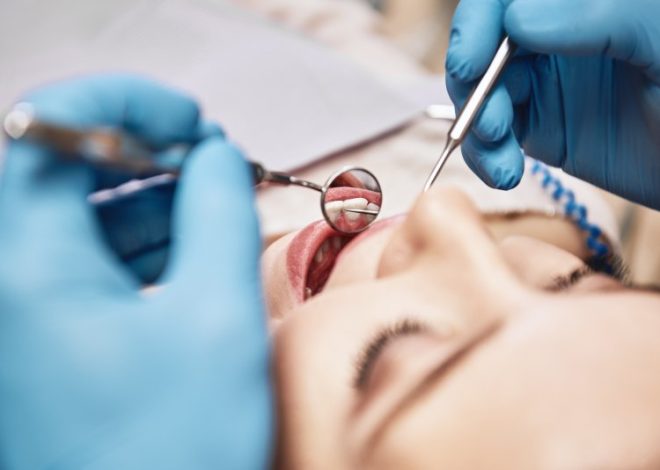
How Veneers Adapt to Your Unique Bite Pattern for Optimal Comfort
Understanding the Relationship Between Veneers and Your Natural Bite
The human bite is as unique as a fingerprint, with each individual possessing a distinct pattern of tooth alignment and jaw movement. When considering cosmetic dental enhancements, particularly veneers Liverpool residents choose must integrate seamlessly with this natural architecture. The success of veneer treatment extends far beyond aesthetic appeal; it requires meticulous attention to how these delicate porcelain shells interact with the existing bite mechanics to ensure lasting comfort and functionality.
Modern dentistry has evolved considerably in its approach to veneer placement, recognising that even the slightest deviation in bite alignment can lead to discomfort, premature wear, or even treatment failure. The adaptation process involves a sophisticated understanding of occlusion—the way upper and lower teeth meet—and how veneers can be crafted to complement rather than disrupt this delicate balance. This careful consideration transforms veneers from mere cosmetic additions into functional components of a healthy dental system.
The Initial Assessment: Mapping Your Bite Pattern
Before any veneer work commences, dental professionals conduct a comprehensive evaluation of the patient’s bite pattern. This assessment involves multiple diagnostic techniques, including bite registration, jaw movement analysis, and digital scanning technology. The dentist examines how teeth come together during various functions such as chewing, speaking, and resting, identifying any existing issues that might affect veneer placement or longevity.
Advanced imaging systems create detailed three-dimensional models of the teeth and jaw structure, allowing practitioners to visualise precisely how veneers will fit within the existing dental landscape. This technological approach ensures that proper occlusion matters for veneer longevity, preventing future complications. The assessment phase also reveals whether any preparatory work, such as orthodontic treatment or bite adjustment, might be necessary before veneer placement can proceed successfully.
Customisation: Crafting Veneers to Match Your Occlusion
Thickness and Contour Considerations
The thickness of a veneer plays a crucial role in maintaining proper bite alignment. Dental technicians carefully calculate the precise measurements required to ensure that veneers neither add excessive bulk nor create gaps in the bite pattern. Each veneer is custom-milled or layered to specifications that account for the patient’s unique occlusal relationships, ensuring that when teeth come together, the contact points remain natural and comfortable.
Material Selection and Bite Forces
The choice of porcelain material significantly influences how veneers respond to bite forces. High-quality ceramic materials possess varying degrees of hardness and flexibility, allowing dental professionals to select options that best match the patient’s bite strength and patterns. Patients with heavier bite forces may require more robust materials, whilst those with gentler occlusion can benefit from thinner, more translucent options that still provide adequate durability without compromising aesthetics.
The Fitting Process: Fine-Tuning for Perfect Harmony
Once veneers are fabricated, the fitting appointment becomes critical for achieving optimal comfort. Dentists use articulating paper and digital bite analysis to identify high spots or areas where veneers may interfere with natural jaw movement. These initial fittings often reveal minor adjustments needed to ensure the veneers integrate smoothly with the existing bite pattern, and skilled practitioners make precise modifications before permanent bonding occurs.
The temporary placement phase allows patients to test their new veneers in real-world conditions, providing valuable feedback about comfort during eating, speaking, and sleeping. This trial period proves invaluable for identifying any subtle issues that might not be apparent during clinical examination. For those wondering whether veneers can address crooked teeth, this fitting process demonstrates how carefully planned veneer placement can improve both appearance and function simultaneously.
Post-Placement Adaptation and Follow-Up Care
Following permanent veneer placement, a brief adjustment period typically occurs as the mouth acclimatises to the new dental surfaces. Most patients adapt within days, though some may require follow-up appointments for minor refinements. Understanding how veneers can help with bite alignment emphasises the importance of this monitoring phase, ensuring long-term success and comfort.
Regular dental check-ups become essential for maintaining the integrity of veneers Liverpool patients have invested in, allowing practitioners to monitor wear patterns and make timely adjustments if needed. This ongoing care ensures that veneers continue to function harmoniously within the bite pattern, preserving both comfort and aesthetics for years to come.
Achieving Lasting Comfort Through Precision Dentistry
The adaptation of veneers to individual bite patterns represents a sophisticated blend of art and science, requiring expertise, precision, and patient collaboration. When executed properly, veneers become indistinguishable from natural teeth in both appearance and function, providing comfortable, long-lasting results that enhance quality of life whilst maintaining the delicate balance of oral mechanics.